
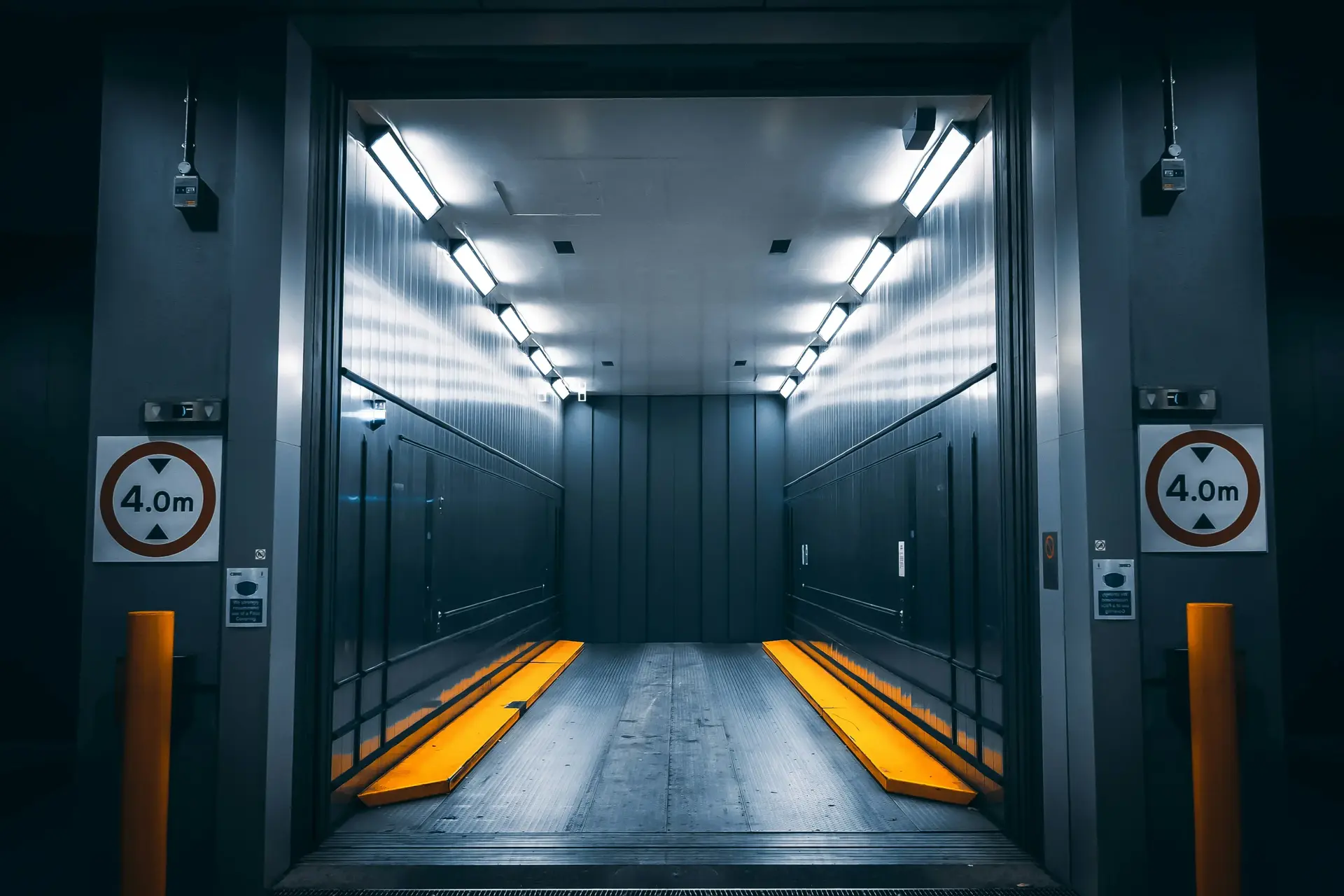
Commercial Lift Services Across Greater Manchester and the North West
Altius Lifts provides planned maintenance, breakdown support, modernisation and installation services for commercial buildings. We work with property managers, facilities teams and project stakeholders to assess requirements and agree practical next steps for the equipment and building.
Selecting a commercial lift solution
The suitable lift solution depends on the building, intended use, traffic patterns, available space and project constraints. We can discuss passenger, goods, low-pit, hydraulic and machine-room-less options as part of a clear installation, replacement or modernisation scope.

Passenger Traction Lifts
Traction lifts are a popular choice for commercial buildings because they deliver smooth travel, dependable performance and strong efficiency over repeated daily use. Operating with ropes and counterweights, they are well suited to offices, hotels and retail spaces where passenger flow and ride quality are important.
Low Pit Lift Solutions
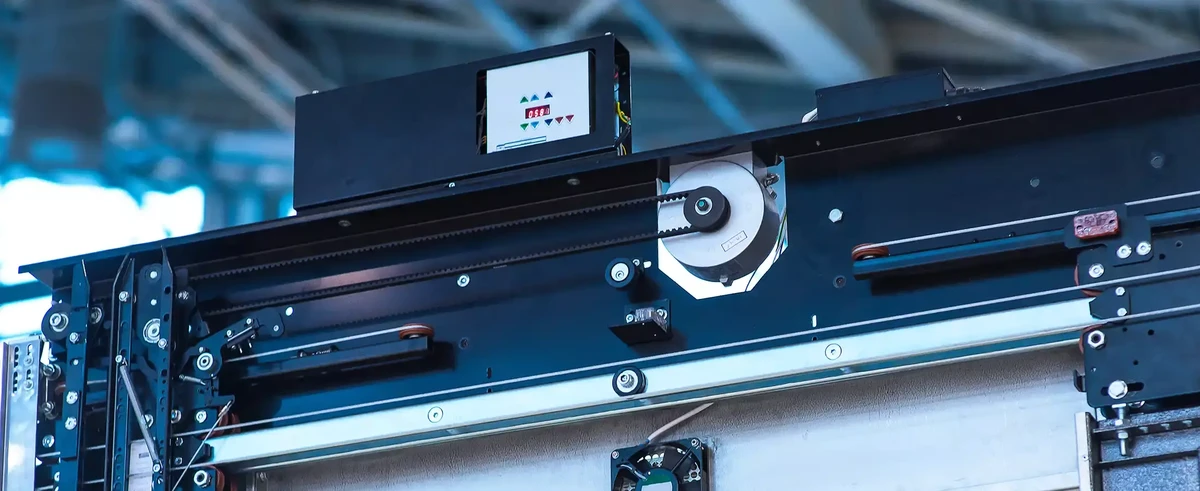
Low pit lifts are designed for sites where traditional pit depth is difficult to achieve. Their reduced structural requirement makes them a practical option for refurbishment projects, constrained buildings and properties where extensive excavation is not possible, helping owners improve access without major disruption.

Hydraulic Lifts
Hydraulic lifts are prized for their robustness and efficiency. They use hydraulic fluid to power the lifting mechanism and are known for their smooth ride quality and minimal maintenance requirements. Hydraulic lifts are commonly installed in commercial properties where reliability and energy efficiency are paramount.

Machine Room-Less (MRL) Lifts
Machine room-less (MRL) lifts are revolutionising the commercial lift industry with their space-saving design and modern aesthetics. Unlike traditional lifts that require a separate machine room for housing the lift machinery, MRL lifts integrate the equipment within the shaft structure, maximising usable space in the building. This innovative design makes MRL lifts an attractive choice for architects and property developers seeking sleek, contemporary lift solutions for their commercial projects.
Understanding the distinct characteristics and advantages of each type of commercial lift is crucial for property managers looking to enhance vertical transportation within their buildings. Businesses can ensure efficient and reliable mobility for their tenants and visitors by choosing the right lift type.
Commercial Lift Installation
Commercial lift installation requires a defined scope, coordination with the building programme and consideration of the intended users and operating environment. Following an assessment, we explain the relevant options, programme considerations and responsibilities before work is agreed.
A typical commercial lift installation often takes between six and ten weeks, although the exact programme depends on the height of the building, access to the site and the complexity of the lift specification. Early planning helps property managers across North West England set realistic expectations and keep the project moving smoothly.
Several factors can influence the installation timetable:
- Building Height: Taller buildings usually require more time because of extra components, coordination and testing.
- Site Access: Restricted access can slow delivery, storage and movement of equipment around the property.
- Lift Specification: Bespoke finishes, advanced controls and specialist safety features may lengthen the overall programme.
The installation process typically includes the following steps:
- Site Survey and Preparation: The building is assessed, structural requirements are confirmed and the area is prepared for the lift works.
- Delivery and Positioning: Lift equipment is delivered to site, checked and positioned ready for installation.
- Assembly and Installation: Qualified lift engineers assemble the system in line with the agreed design and manufacturer guidance.
- Electrical Works and Integration: Wiring, controls and safety systems are connected and tested as part of the wider lift package.
- Testing and Commissioning: The lift is thoroughly tested to confirm smooth operation, safe performance and compliance.
- Final Inspection and Handover: Once checks are complete, the lift is handed over with the relevant documentation and operating guidance.
Property managers can prepare more effectively when they understand these stages and the likely project milestones, making it easier to coordinate building activity around the installation.
Planned Lift Maintenance
A planned maintenance regime should reflect the lift type, usage, environment, condition and manufacturer guidance. Routine maintenance helps monitor equipment condition and identify work for consideration. It is separate from any statutory thorough examination requirements.
Commercial lifts should be serviced at planned intervals based on lift type, usage levels and building demands. Passenger lifts may only need a minimum of two visits per year, but in many buildings we recommend four, six or twelve visits as part of a planned preventative maintenance programme. High-traffic or specialist sites may benefit from monthly attendance to protect reliability and reduce downtime.
During service visits, engineers carry out a range of important checks, which may include:
- Cleaning the lift shaft, pit, car top and lift car interior.
- Testing door operation for safe, smooth opening and closing.
- Checking levelling accuracy and making adjustments where required.
Additional examinations of brakes, alarms and emergency systems help identify wear, faults or safety concerns before they become more serious.
Regular maintenance plays a major role in keeping commercial lifts safe, efficient and available for everyday use. By dealing with wear early, maintenance reduces the likelihood of faults, limits unexpected downtime and helps avoid premature failure of expensive components.
Commercial lifts are subject to legal obligations covering maintenance and thorough examination, including LOLER requirements where applicable. Meeting these duties helps keep passengers safe, demonstrates compliance and reduces the risk of liability, disruption and avoidable repair costs.
By prioritising regular maintenance and legal compliance, property managers across North West England can support safer, more reliable lift performance for everyone using the building.
Maintenance and statutory examinations
Routine servicing, maintenance and statutory thorough examinations have different purposes. The appropriate obligations and examination intervals depend on the equipment, its use and the relevant legal requirements or written examination scheme. We can explain the distinction when reviewing a maintenance requirement.
Safety inspections review a range of critical functions, including door operation, levelling accuracy, acceleration, deceleration and the condition of core safety systems. These checks help confirm that the lift is operating correctly and highlight any items that need attention.
Where a lift is used to lift people at work, LOLER normally requires a thorough examination every six months, unless a written examination scheme specifies otherwise. Goods-only lifting equipment is normally examined every 12 months. Thorough examination is separate from routine servicing and maintenance.
If inspections are missed, minor defects can go unnoticed until they become larger faults, breakdowns or safety risks. That can lead to unplanned downtime, dissatisfied occupants and higher repair costs, as well as potential compliance concerns.
Safety inspections should be completed by suitably qualified professionals with the right knowledge of lift systems and regulations. Where a LOLER thorough examination is required, it must be carried out by a competent independent person rather than the company responsible for routine lift maintenance.
Consistent inspections give property managers a clearer picture of lift condition and help them plan repairs before service is affected. They also build passenger confidence and support the reliable, compliant operation of lifts across the building.
Lift Repairs and Fault Response
When a lift develops a fault, quick and organised action makes all the difference. Facilities teams and building managers should know the warning signs of poor lift performance and report issues promptly so that lift engineers can diagnose the problem, carry out repairs and restore safe service with minimal disruption to staff, tenants and visitors.
Commercial lifts may show signs of trouble before a full breakdown occurs, such as unusual noises, jerky movement, delayed door operation, sudden stops or poor response to landing calls. Any change in normal performance should be reported quickly so the issue can be investigated.
If a lift malfunctions, building teams should follow the agreed reporting and safety procedure straight away and contact their lift maintenance company. Prompt action allows engineers to assess the fault, secure the equipment and begin repairs as quickly as possible.
Troubleshooting lift faults involves a systematic inspection of electrical, mechanical and control components to identify the root cause of the problem. Engineers may also review operating data, test individual systems and check environmental or usage factors that could be affecting performance.
While minor adjustments can sometimes be completed during routine servicing, more complex repairs or component replacements should always be handled by qualified lift engineers. Professional intervention helps ensure faults are resolved safely, downtime is minimised and the lift returns to service in the best possible condition.
If you are reviewing lift reliability, maintenance costs or upgrade options, we can help you plan the right next step.
Always On Hand for Commercial Lift Maintenance
If you’d like to discuss your commercial lift requirements, feel free to get in touch. The team at Altius Lifts is available 24 hours a day, 365 days a year, and always happy to offer advice or answer any questions.
