

Lift Services for Schools, Colleges and Universities
Altius Lifts provides planned maintenance, repair, modernisation and installation support for education settings across Greater Manchester and the North West. We work with site teams to understand the building, timetable, equipment and operational requirements before agreeing the next practical step.
Lift support for education settings
Education buildings may need lift solutions that consider student, staff and visitor movement, accessibility requirements, traffic patterns, available space and the academic calendar. We can assess the equipment and building requirements, then discuss suitable maintenance, repair, modernisation or installation options.

Designed Around Campus Needs
Every college estate is different, so the right solution depends on how the space is used. From step lifts for split-level access to enclosed platform lifts and passenger lifts for multi-storey buildings, we supply a wide range of options designed around mobility needs, traffic levels and the demands of busy educational environments.

Solving Access Challenges
Many colleges operate from older or mixed-use buildings where space, structure and access routes can be challenging. Our team assesses these limitations carefully and recommends lift systems that improve accessibility, support compliance with Building Regulations Part M and make movement between floors simpler for everyone using the site.
Safety Features That Matter
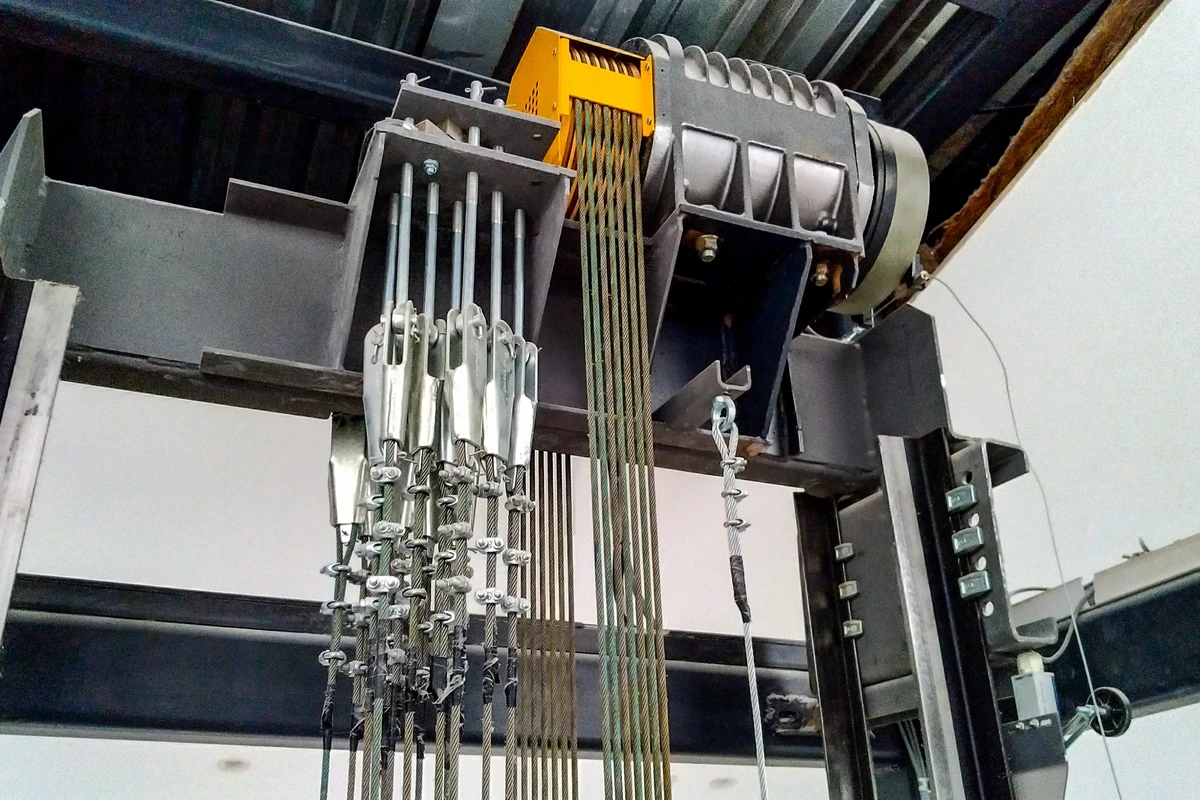
In education settings, lift safety is essential. Our installations include full safety systems, handrails, automatic doors, emergency communication systems and other key safety features to help protect students, staff and visitors while supporting dependable day-to-day use across campus.

Efficient Performance, Minimal Disruption
Alongside safety, colleges also need lifts that are efficient, reliable and easy to manage. We can specify energy-efficient drive systems, user-friendly controls and remote monitoring options to support smoother operation, reduce downtime and improve the overall lift experience.
If you are planning a new college lift installation or reviewing ageing equipment in North West England, we can help you identify the right solution for your campus.
Planning lift work for education buildings
Lift projects and maintenance planning should consider the building, intended users, equipment condition and the academic timetable. Routine maintenance, statutory thorough examinations and installation requirements have different purposes. We can explain the relevant considerations when discussing a project or maintenance requirement.
Lift installations in education buildings must meet specific regulations and standards to support safe, accessible use. Guidance such as Building Regulations Part M and BS EN 81-70 helps shape lift size, controls and accessibility requirements, and our team works within these frameworks to make sure every solution is compliant and practical.
Colleges can strengthen compliance by assessing their buildings carefully, working with experienced lift specialists and selecting equipment that is suited to the needs of each site. Good planning at an early stage makes it easier to deliver lift installation projects that meet regulations and serve users properly from day one.
Compliance does not stop after installation. Under LOLER and wider lift safety obligations, colleges must arrange regular inspections, servicing and repairs so their lifts continue to operate safely. A clear maintenance programme helps identify issues early, reduce downtime and protect building users.
Many colleges appoint a Duty Holder to oversee lift safety, maintenance and contractor coordination. This role helps ensure service visits are scheduled, inspection reports are acted upon and any faults are addressed promptly.
With the right support in place, colleges can maintain safe, accessible lift systems with confidence and a clearer view of ongoing compliance.
Efficient college lift installation depends on early planning, the right lift specification and a clear understanding of the building. Solutions such as step lifts or low-impact access lifts can sometimes reduce building work, while detailed surveys, experienced project management and careful scheduling help keep programmes on track and disruption to a minimum.
In a working college, installations need to be managed around lessons, exams and campus activity. Clear communication with staff and students, realistic programming and planning works during quieter periods such as holidays or weekends can all help reduce disruption and support a smoother project.
Regular lift maintenance is essential for long-term reliability in education settings. Routine servicing, inspection, lubrication and adjustment help spot wear before it becomes a bigger problem. A planned preventative maintenance schedule also supports compliance, improves reliability and helps colleges avoid unexpected breakdowns.
Proactive maintenance is one of the best ways to improve lift performance across a college estate. When servicing is tailored to usage levels and building requirements, lifts tend to run more smoothly, faults can be resolved faster and overall reliability improves. Working with an experienced lift maintenance company also helps colleges plan ahead with greater certainty.

Accessibility and movement around the site
Lifts can form part of accessible movement around education buildings for students, staff and visitors. The suitable equipment and design approach depend on the building, user needs, available space and project requirements. We assess these factors as part of an installation, replacement or modernisation discussion.
College lifts should include the right safety features for a varied user group. Depending on the application, this may include emergency stop controls, handrails, braille buttons, automatic doors and auto-dial emergency communication. These features help improve confidence, support accessibility and provide reassurance during power loss or other incidents.
Colleges must consider the needs of wheelchair users and people with reduced mobility when choosing lift systems. Enclosed platform lifts and passenger lifts can provide dependable access across several floors, while thoughtful control design and car sizing help ensure the lift can be used comfortably and independently wherever possible.
Accessibility and safety should guide lift design from the outset. When colleges prioritise these points early, they are better placed to create inclusive buildings that are easier to use and safer to manage. The result is a lift system that supports the whole college community while improving everyday movement around the site.
Modern lift technology can make college buildings more convenient to use and easier to maintain. Features such as intuitive controls, remote monitoring and diagnostic tools help improve passenger experience and allow maintenance teams to respond more quickly when attention is needed.
Benefits of the Right Partner
Working with an experienced lift company gives colleges access to specialist knowledge, reliable equipment and practical support from survey through to aftercare. At Altius Lifts, we take a collaborative approach so every lift solution is planned to suit the building, the users and the college's wider operational goals.
Our lift solutions are built around quality, reliability and long-term performance. We understand how important dependable lifts are to the smooth running of a college, so we specify robust systems that can handle frequent daily use while providing safe, comfortable travel for students, staff and visitors.
With extensive experience supporting education providers, we understand the pressures colleges face around access, compliance, budgets and building constraints. That knowledge allows us to recommend practical, well-planned lift solutions that improve accessibility and operational efficiency.
If you are reviewing campus access or planning a college lift project, our team can arrange a site survey and clear recommendations.
Your partner for maintaining lift services
If you’d like to discuss your lift requirements, feel free to get in touch. The team at Altius Lifts is available 24 hours a day, 365 days a year, and always happy to offer advice or answer any questions.